

Knowledge Base
Your comprehensive guide to 3D printing and laser cutting — materials, equipment, techniques and expert tips
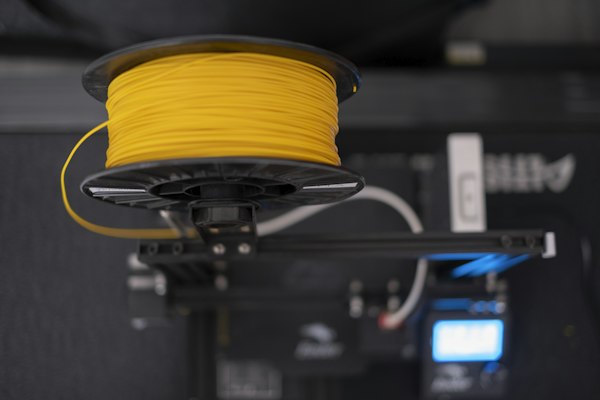
PLA (Polylactic Acid)
PLA is the most popular 3D printing filament in the world. Made from renewable resources like corn starch or sugarcane, …
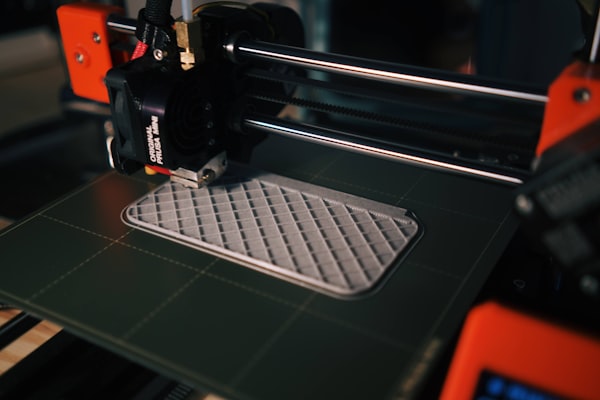
PETG (Polyethylene Terephthalate Glycol)
PETG is the workhorse of functional 3D printing. It combines the ease of printing of PLA with much of the strength and d…
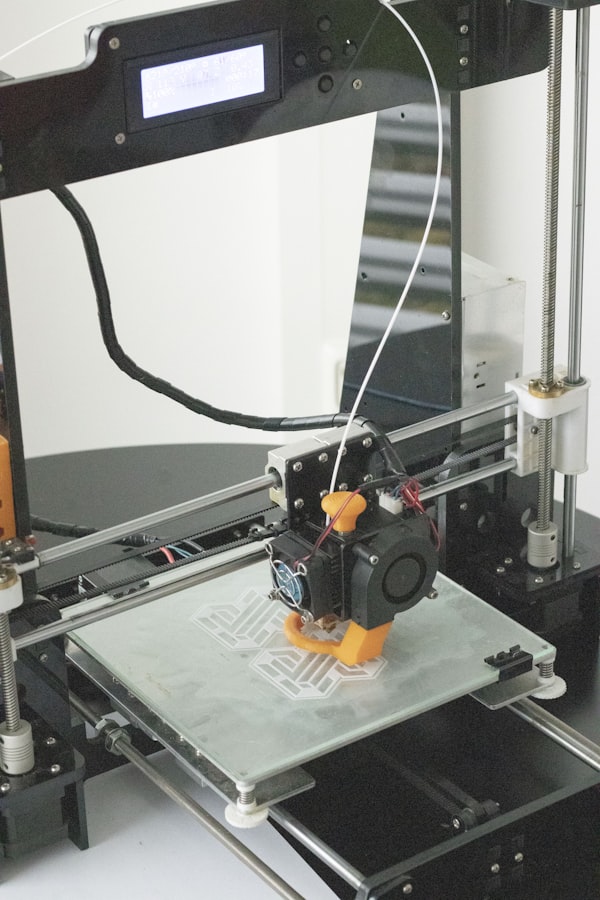
ABS (Acrylonitrile Butadiene Styrene)
ABS is one of the original 3D printing materials and remains a staple for functional, durable parts. It's the same mater…

TPU (Thermoplastic Polyurethane)
TPU is a flexible, rubber-like filament that produces parts which can bend, stretch, and absorb impact. Think phone case…
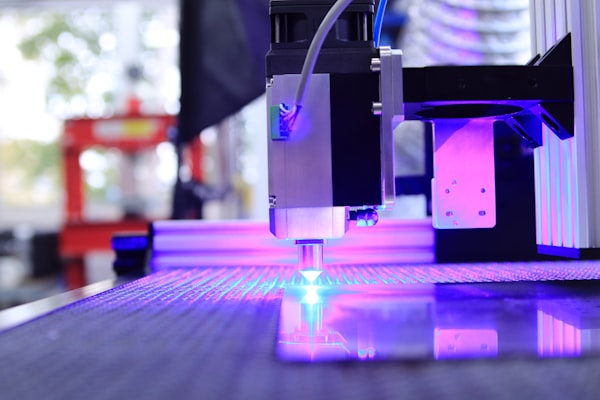
Resin (SLA/MSLA)
Resin printing (SLA/MSLA/DLP) uses ultraviolet light to cure liquid photopolymer resin layer by layer, producing parts w…
Nylon (PA6/PA12)
Nylon is one of the strongest and most durable FDM filaments. It offers exceptional toughness, flexibility, and wear res…
ASA (Acrylonitrile Styrene Acrylate)
ASA is the UV-resistant alternative to ABS. It has nearly identical mechanical properties but won't yellow or degrade in…
PC (Polycarbonate)
Polycarbonate is one of the strongest thermoplastics available for FDM printing. It's the same material used in bulletpr…

HIPS (High Impact Polystyrene)
HIPS is best known as a support material for ABS — it dissolves in d-Limonene, making complex support removal effortless…
PVA (Polyvinyl Alcohol)
PVA is a water-soluble support material — the holy grail for complex PLA/PETG prints. Simply drop your print in warm wat…

Wood / Composite PLA
Wood, stone, metal, and other composite PLA filaments contain real particles mixed into a PLA base. Wood PLA has wood fi…